
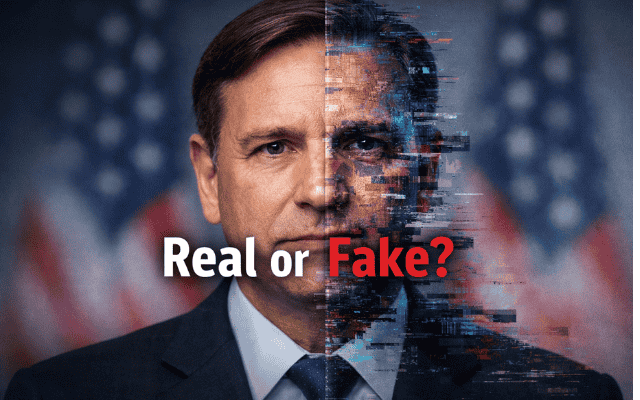
In recent days, public figures have raised concerns about highly convincing deepfake content being shared online. These manipulated videos can make it appear as though someone said or did something they never did.
This is no longer limited to celebrities or tech experiments. Deepfake content is now being used in real-world situations — including misinformation, impersonation, and scams.
For everyday users, the biggest challenge is simple:
How do you know what is real before you believe or share it?
What Is a Deepfake Video?
A deepfake video is a piece of content created or altered using artificial intelligence to make it look real.
This could include:
- A person appearing to say something they never said
- Facial expressions or lip movements that are digitally altered
- Videos generated entirely using AI
The quality of these videos has improved significantly. In many cases, they look completely authentic at first glance — especially when viewed quickly on social media.
Why Politicians and Public Figures Are Targeted
Deepfake content often focuses on individuals who already have public visibility.
This includes:
- Politicians
- Business leaders
- Public personalities
There are a few reasons for this:
1. Influence
Statements from public figures can affect public opinion, markets, or decisions.
2. Credibility
People are more likely to believe content that appears to come from a known figure.
3. Viral Spread
Content involving well-known individuals spreads faster, especially on platforms like X (Twitter), WhatsApp, and Facebook.
The Real Risk for Everyday Users
The danger is not just the video itself — it’s what happens after.
People may:
- Share the content without verification
- Click on links associated with it
- Trust messages or requests connected to it
This is where deepfakes connect directly with scams.
How to Verify Before You Share
You don’t need technical tools to take the first step. A few simple checks can prevent most mistakes.
1. Check Official Sources
Visit the official social media account or website of the person in the video.
If something major happened, it will usually be acknowledged or clarified there.
2. Look for Trusted Coverage
If a video is real and important, credible news platforms will report it.
If it exists only on random accounts, that’s a warning sign.
3. Check the Profile Sharing It
Many deepfake videos are spread through fake or impersonated profiles.
Look for:
- Newly created accounts
- Unusual usernames
- Low engagement or inconsistent posts
4. Check the Image or Screenshot
Often, what spreads is not the video itself — but a screenshot, thumbnail, or edited image.
This is where tools like OziShield can help.
How OziShield Helps
OziShield is built to help users assess suspicious content quickly — without needing technical knowledge.
RealCheck (Image Analysis)
If a deepfake video is being shared with a thumbnail or screenshot:
- Upload the image
- Detect early signs of manipulation
- Identify patterns commonly seen in fake or altered content
Scam Checker (Links & Messages)
If the video is shared with a link or message:
- Check if it matches known scam patterns
- Identify suspicious wording or intent
- Get a clear risk indication
OziShield does not claim to detect every deepfake video.
Instead, it focuses on something more practical:
Helping you make a safer decision before you trust or share something.
Final Thought
Deepfake content will continue to evolve.
The solution is not just better detection — but better habits.
Before you believe, share, or act:
👉 Pause
👉 Check
👉 Verify
Check Suspicious Content Instantly
You can check images, links, or messages here:
👉 https://ozishield.com/real-check
Free. No login. No data stored.